
Ultrasound

What is an ultrasound?

An ultrasound scan is a medical test that uses high-frequency sound waves to capture live images from the inside of your body.

An ultrasound allows your doctor to see problems with organs, vessels, and tissues without needing to make an incision.

Unlike other imaging techniques, ultrasound uses no radiation. For this reason, it’s the preferred method for viewing a developing fetus during pregnancy.

Principle of Ultrasound

An ultrasound scan is a medical examination that uses high-frequency sound waves to produce high-resolution images for assessing the condition of major internal organs.

Doctors can use ultrasound to examine problems in blood vessels and tissues. It is a non-invasive procedure and does not require any incision.

Why choose ultrasound examination?

Common misconception: Is blood testing sufficient for a body check, examining only blood glucose, cholesterol, and liver/kidney function? In fact, blood tests primarily detect whether bodily functions are abnormal. Most early-stage diseases may not immediately affect blood data, and may even show up as normal in blood test reports.

However, abnormalities in structure, such as tumors, blood vessels, and nodules, which are often a public concern, require imaging examinations like ultrasound for clear visibility.

Ultrasound

Safe and Radiation-Free

Suitable for All Age Groups
Ultrasound

Early Detection

Early detection of abnormal bodily changes
Ultrasound

Wide Usage

Examines multiple body parts

What is ultrasound examination?

Ultrasound examination is a type of imaging method that uses sound waves to quickly assess the health of internal organs and soft tissues, covering the liver, gallbladder, pancreas, spleen, kidneys, thyroid, breasts, uterus, ovaries, etc., also detect early tumors, stones, cysts, and other issues.

Ultrasound examination is the preferred choice for initial health check-ups, suitable for preliminary diagnosis and observation of soft tissues. For more detailed images of deep structures (such as the brain, cardiovascular system, or lungs), MRI or CT scans can be chosen.
Ultrasound

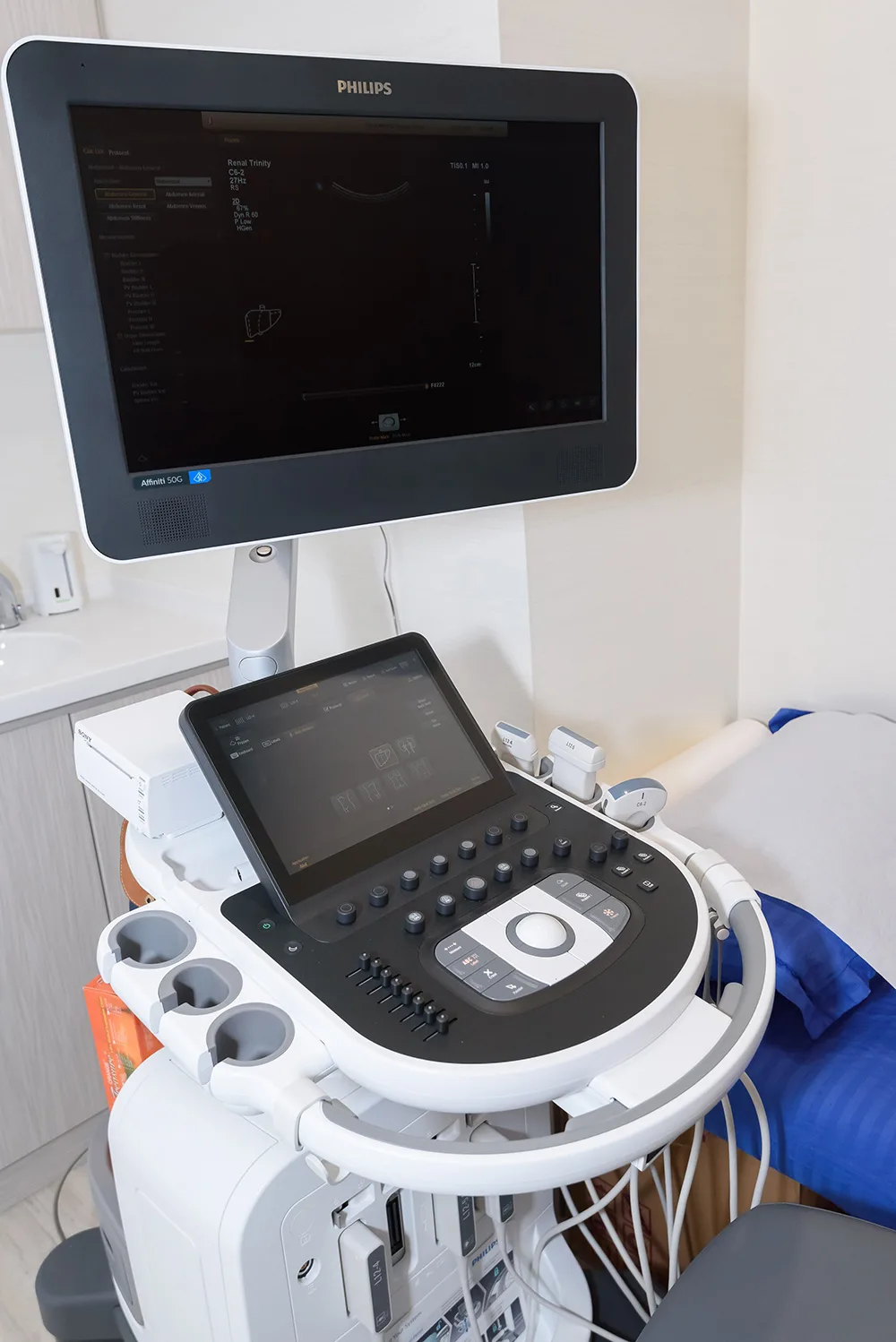
Why Philips Affiniti 50 Ultrasound Scan?

  • Precision beamforming- Delivers superb spatial and contrast resolution, outstanding tissue uniformity, few artifacts, and reduced image clutter.
  • Tissue-Specific Preset (TSP) –  Provides excellent image quality for various parts of the body with little or no need for image adjustment
  • Highly sensitive strain Elastography-  Requires no external compression and can be used to assess relative tissue stiffness across a variety of applications including small parts, breast, and gynecology

Ultrasound

Ultrasound scans use high-frequency sound waves to create images of organs or structures within the body. Because it does not use radiation, it is safe, painless, and can be repeated as needed.

Advantages:

  • Safe and radiation-free
  • Real-time imaging
  • Lower cost, short examination time

Screening:

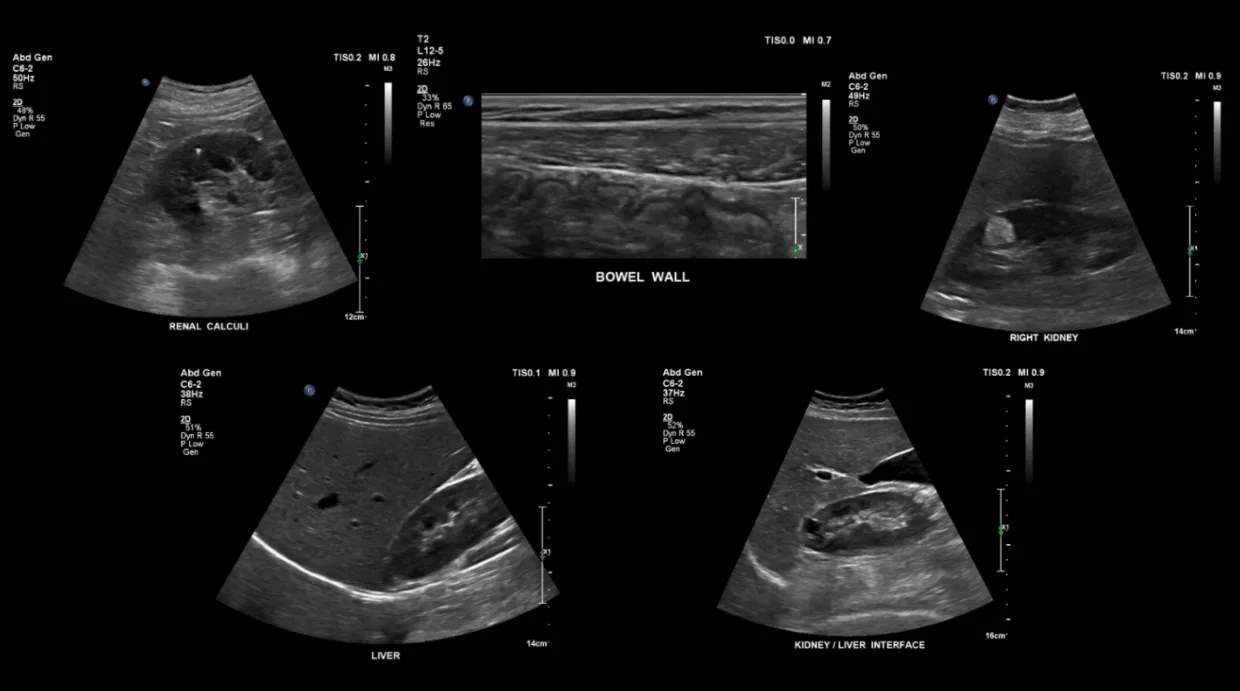
  • Abdominal organs: Liver, gallbladder, pancreas, spleen, kidneys, major blood vessels in the abdominal cavity, and lymph nodes. It can detect liver cancer, cirrhosis, fatty liver, liver tumours, gallstones and polyps, pancreatic inflammation and cysts, spleen enlargement, and kidney stones.
  • Pelvic area: Examine the uterus and ovaries and provide preliminary diagnosis for ovarian cancer, ovarian cysts, uterine fibroids, chocolate cysts, cervical cancer, and endometriosis.
  • Breasts: Examines breast health condition. More effective at detecting hidden breast cancer in women with higher breast tissue density.
  • Prostate: Evaluates the prostate’s size, structure, and blood flow. Used for early detection and monitoring of prostate hyperplasia, prostate enlargement, prostatitis, and prostate cancer.
  • Heart: Assesses cardiac structure and function. It can detect heart size, ventricular contraction, heartbeat, pumping strength, heart valve function, and valve movement. Helps diagnose and monitor heart disease, coronary heart disease, cardiomyopathy, congenital heart disease, and other cardiac-related conditions.

What to expect?

It will take you around thirty minutes to complete the whole ultrasound procedure, which depends on the different parts of body.

How is an Ultrasound done?

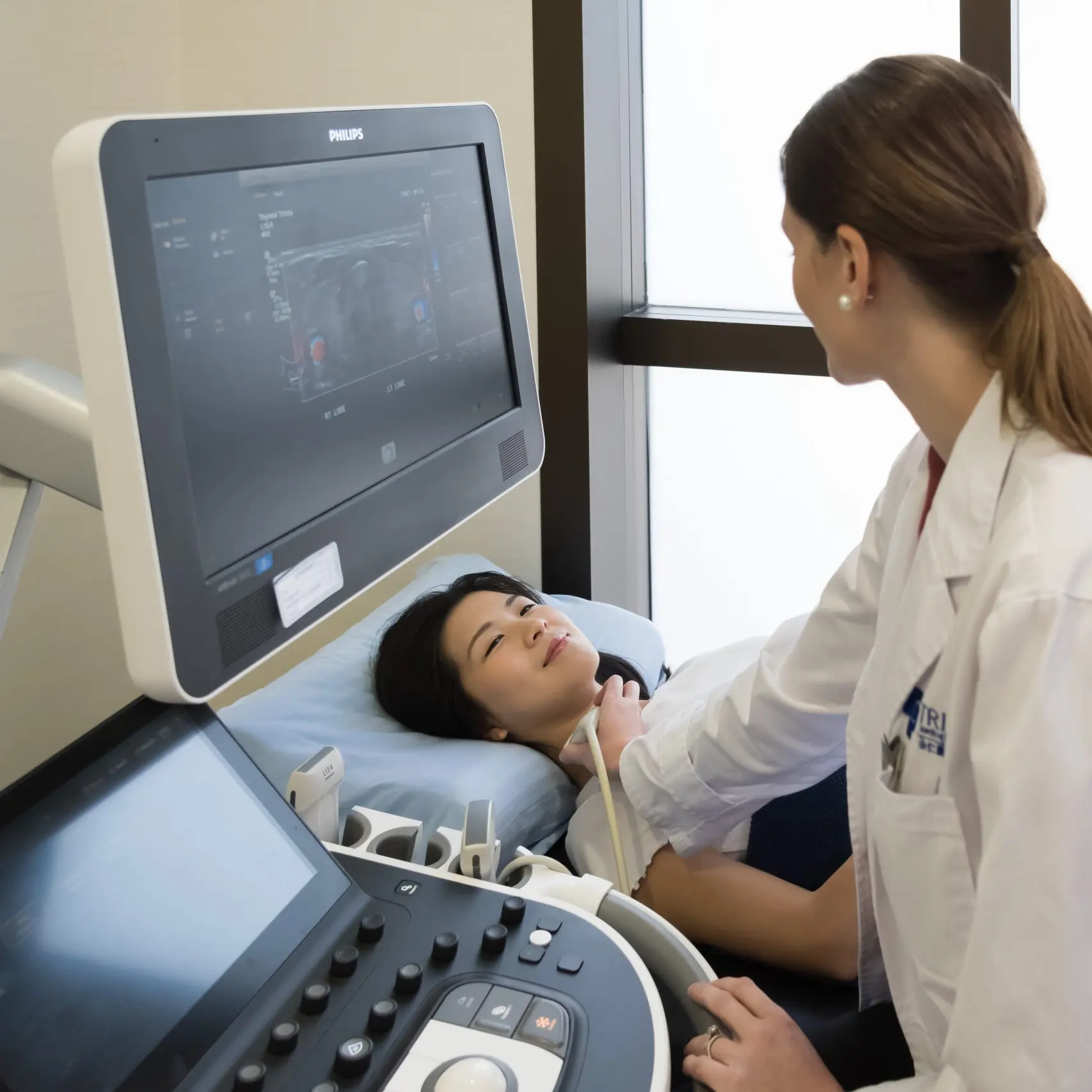
You need to lie down on the bed, the doctor will apply a thin layer of gel coated on the skin that will be tested. A detector is also placed on your body to send sound waves to your body to produce images.

Ultrasound

Comprehensive Ultrasound Health Check Packages

Trinity Medical Centre offers comprehensive ultrasound health check packages designed to meet the unique health needs of individuals based on age, gender, and specific health requirements. Experience personalized care that caters to your distinct health profile!


Package Basic

65-Item Check-up Plan

Comprehensive

Comprehensive Ultrasound Health Care Plan

Best Seller

Male & Female Health Check-up Plan

Features An entry-level health check including a comprehensive blood test, focused ultrasound scans and cancer markers. Ideal for first-time check-ups or individuals without specific health concerns A comprehensive health check featuring all-rounded ultrasound scans and cancer markers. Suitable for individuals aged 30 and above
Note: Central: CT Whole Abdomen (Upper Abdomen and Pelvis)
A comprehensive health check featuring all-rounded ultrasound scans, cancer marker and gynaecological examinations. Suitable for individuals aged 40 and above
Note: Central: CT Whole Abdomen (Upper Abdomen and Pelvis)
Recommended Age 20-30 30-40 40+
Ultrasound Scan
Gynecological Examination Ultrasound of Breast、ThinPrep Pap Test Ultrasound of Breast Bilateral 2D Mammography、ThinPrep Pap Test
Learn More Learn More Learn More

How to Book Your Health Check

  1. Book Online

    After successfully purchasing a health check plan, you will receive a confirmation email.

  2. 1:1 Appointment Service

    Trinity Health Consultant will contact you to personalize your booking.

  3. 1 Day Check-up

    All examination procedures, including body scans, will be completed within the same day.

  4. Doctor Consultation

    A detailed report explanation will be arranged with a doctor, offering personalized insights into your health data.

FAQ

What is an ultrasound scan?

An ultrasound scan is a medical examination that uses high-frequency sound waves to create high-resolution images, allowing doctors to assess the condition of major internal organs, blood vessels, and tissues.

Does an ultrasound scan involve radiation?

No. Ultrasound scans do not use radiation and are non-invasive and do not require any incision.

Do I need to fast before an ultrasound scan?

It depends on the area being examined. For upper abdomen, liver, gallbladder, or biliary scans, fasting for several hours is usually required. For pelvic or urinary system scans, you may need to drink water to fill the bladder.

Who is suitable for an ultrasound scan?

People with abdominal pain, chest discomfort, palpitations, lumps, gynecological or urinary symptoms, or those who need follow-up on organ conditions may arrange an ultrasound scan as advised by a doctor.

What should I prepare before the ultrasound scan?

It is generally recommended to bring your referral letter and any previous reports, and follow the fasting or drinking instructions according to the body area being examined. If there is a possibility of pregnancy, you are taking medication, or you have had related examinations before, please inform the clinic in advance.

Hide
Select a method
WhatsApp We are here to serve you

You can chat with us in real-time here to inquire about health and disease information and book services. Please enter your name and accept our Terms of Service and Privacy Policy to begin.

24/7 On Call