Quan Ren Tang TCM|Specialist TCM Conditioning.Three Highs & Internal Medicine.Nodule Wellness.Gynaecology & Fertility|TST & Central
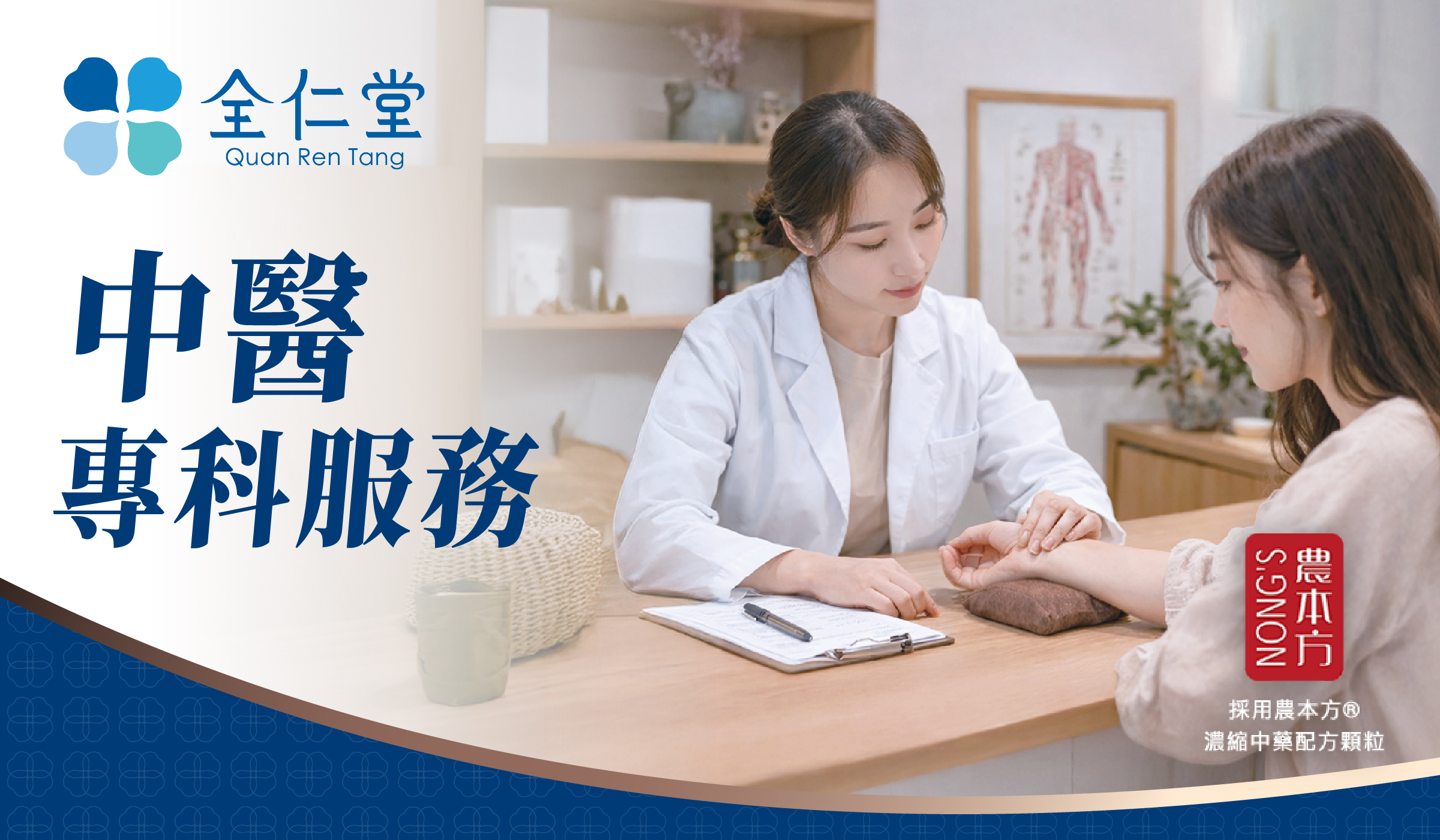
Quan Ren Tang is the Traditional Chinese Medicine brand under Trinity Medical Group, upholding the Group’s consistent, data-driven approach to healthcare. By combining objective data from modern medical examinations with the traditional wisdom of TCM pattern differentiation and treatment, we offer you systematic and personalised TCM specialist services. Trinity TCM places strong emphasis on the synergy between precision diagnostic equipment and clinical assessment — drawing on the Group’s experience with advanced medical examination technology, our TCM team incorporates your examination data into constitution assessment and follow-up care once relevant checks are complete, delivering a more consistent healthcare management journey. This reflects our commitment to a TCM service model that respects the foundations of traditional medicine while meeting modern healthcare standards.
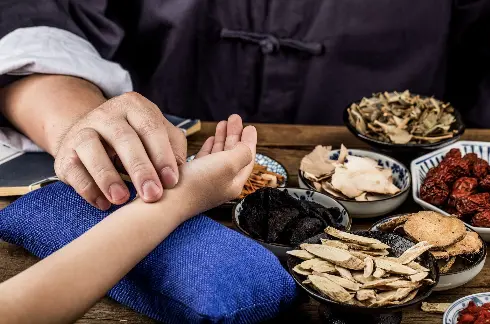
Our Registered Chinese Medicine Practitioners bring diverse clinical experience spanning internal medicine, gynaecology, acupuncture, dermatology and rehabilitation, providing professional care across specialist areas tailored to your needs. If you have previously completed a health check with Trinity Medical Group or another provider, our practitioners can reference the relevant reports to design a more targeted care plan. Even without prior examination data, our practitioners will conduct a thorough constitutional assessment through the Four Diagnostic Methods (observation, listening/smelling, inquiry and pulse-taking), ensuring that every client — regardless of background or needs — receives attentive and systematic professional care.
Personalised TCM Plans
Quan Ren Tang combines precision medical data with professional TCM pattern differentiation to design a personalised care plan tailored to you, delivering attentive and systematic professional follow-up. Contact our professional medical team to learn more about our services.
Six Major Quan Ren Tang Chinese Medicine Services
Traditional Chinese Medicine Internal Medicine
- Three Highs (hypertension, hyperglycaemia, hyperlipidaemia)
- Pulmonary nodules, breast nodules, thyroid nodules
- Bloating, acid reflux, indigestion, and more

Respiratory & COVID-19 Recovery
- Cold, flu and cough
- Post-COVID syndrome (Long COVID)
- Respiratory discomfort / sensitive airways
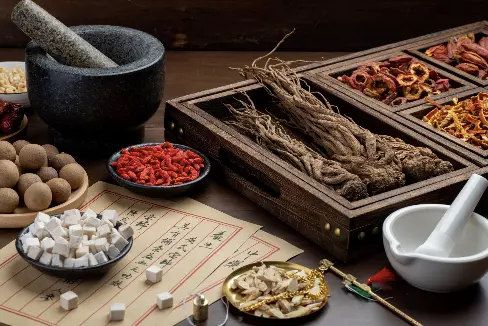
Holistic Wellness & Rehabilitation
- Insomnia & Sleep Quality Improvement
- Emotional Support & Mood Regulation (Depression)
- Post-Stroke Rehabilitation & Recovery
- Constitutional care and lifestyle support during chemotherapy
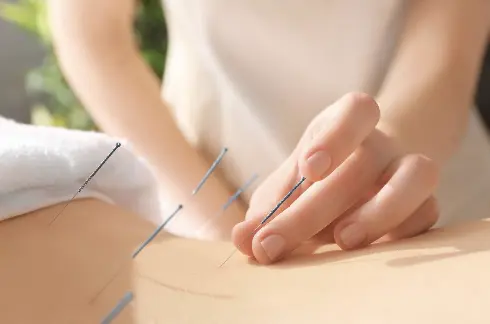
Cosmetology & Dermatology
- Facial acupuncture (cosmetic acupuncture)
- Eczema constitutional care

Gynecology & Reproductive Health
- Menstrual disorder treatment
- Pre-pregnancy support
- Constitutional care during IVF treatment
Pain Management & Acupuncture
- Neck, shoulder and back pain
- Frozen shoulder
- Recurring sports injuries
Health Information Worthy of Attention
FAQ
Can I see a Traditional Chinese Medicine (TCM) practitioner even if I’m not sick? What is the focus of post-tumor surgery recovery?
Absolutely. The core of Traditional Chinese Medicine is holistic constitution balancing and "preventive treatment" (Zhi Wei Bing). It targets sub-health issues like fatigue, insomnia, susceptibility to colds, and poor metabolism to boost immunity and prevent chronic diseases at the source.
For post-tumor surgery recovery, Traditional Chinese Medicine focuses on rehabilitation management. Using herbal medicine and acupuncture, it helps alleiate post-op discomfort (such as difficulty swallowing or eating), repairs bodily functions, and reduces the risk of recurrence to improve overall quality of life.
Can I see a Traditional Chinese Medicine practitioner during chemotherapy?
Yes, and it is highly recommended. TCM is fully compatible with Western chemotherapy. The approach focuses on "strengthening the body’s vital energy" (Fu Zheng Gu Ben). It precisely relieves side effects such as nausea, hair loss, fatigue, and poor appetite, helping patients maintain the physical strength needed to complete their treatment. You do not need to worry about herbal ingredients conflicting with chemo drugs; the process is safe and controlled.
My health check report shows pulmonary nodules, breast nodules, or thyroid nodules; can TCM help?
Yes, it can help. In TCM, nodules are often associated with phlegm-damp accumulation and qi-blood stagnation. Through Chinese medicine and acupuncture, treatment aims to unblock qi and blood flow at the root, dissolve phlegm, and disperse nodules, while constitutional conditioning helps slow the risk of nodule growth. Regular imaging follow-up with your Western doctor is still recommended, so that both approaches work together for greater peace of mind.
I’ve been on long-term medication for the “Three Highs” (hypertension, hyperglycaemia, hyperlipidaemia); what else can TCM offer?
TCM focuses on conditioning the body's overall constitution, addressing underlying imbalances such as spleen qi deficiency with dampness, or liver-kidney yin deficiency. This approach may help improve metabolism and ease the burden of side effects from Western medication. Combined with dietary and lifestyle adjustments, it can support stable readings and better quality of life, and works compatibly alongside ongoing Western medication without conflict.
My gastroscopy report shows intestinal metaplasia — does this mean it’s serious? What can TCM do?
Intestinal metaplasia reflects a stomach lining that has been under chronic inflammation for a prolonged period. TCM addresses this from the perspective of spleen-qi deficiency and damp-heat accumulation, using Chinese medicine to condition the mucosal environment and improve digestive function, helping to slow the risk of further changes at the root. Regular follow-up gastroscopy alongside TCM conditioning is recommended for more comprehensive digestive health support.
Is Traditional Chinese Medicine effective for “Post-COVID” symptoms like persistent coughing or brain fog?
Very effective. Post-COVID is often categorized in TCM as "deficiency of Lung and Spleen Qi" or "lingering pathogens." Internal TCM treatments specifically target these imbalances, using herbal medicine to detoxify and repair the body. Compared to other options, TCM shows significant results in improving chronic coughs, low energy, memory decline, and lethargy, helping you return to a normal state.
Does Traditional Chinese Medicine cosmetic acupuncture hurt?
Professional cosmetic acupuncture uses ultra-fine needles, and the sensation is minimal to non-existent. By stimulating facial meridians to activate collagen regeneration, it serves as a purely natural therapy without chemical additives. Beyond just face slimming and brightening the complexion, it simultaneously addresses internal issues like eczema and sensitive skin to nourish the skin from the inside out.
I am undergoing IVF (In Vitro Fertilization). When is the best time to start Traditional Chinese Medicine
Ideally, you should start at least 3 to 6 months before egg retrieval to improve egg quality. Combining acupuncture or pelvic manual therapy before and after embryo transfer can increase blood flow to the uterus and improve the endometrial environment. This significantly boosts the success rate of implantation while safely complementing Western IVF protocols.
What is the difference between a massage gun and TCM Tui Na (Medical Massage)?
A massage gun uses high-frequency vibration to relax superficial muscles and fascia. TCM Tui Na combines meridian acupoints with joint realignment to release deep-seated strain and correct skeletal positioning. Combining the two—relaxing the muscles first, then realigning the bones—creates more lasting results than either method alone for solving neck, shoulder, and back pain.
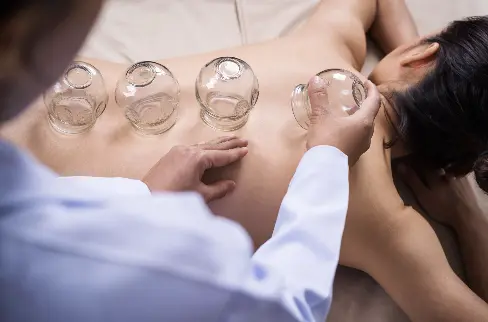
How long does it take for cupping marks (bruises) to fade? Does a dark color mean my health is poor?
Cupping marks usually fade naturally within 3 to 7 days. A dark purple or blackish color simply indicates local "blood stasis" or "heavy dampness" in the meridians. It is a normal reaction to detoxification and clearing blockages, rather than a direct indicator of overall "bad health." In clinical practice, we often see that once the "stasis and dampness" are drawn to the surface, patients feel immediate and significant relief.