Magnetic Resonance Imaging (MRI)

Trinity Medical Centre: Advanced Scans for Your Body’s Future Dataset

Trinity Medical Centre is proud to introduce Magnetic Resonance Imaging (MRI) and Computed Tomography (CT) health check plans covering the head, neck, lungs, heart, abdomen, pelvis, and spine. Utilizing state-of-the-art diagnostic imaging technology, our precise analysis evaluates risks for early-stage cancers, stroke, cardiovascular diseases, and other critical illnesses.

MRI and CT scans provide a comprehensive look inside your body, giving you control over your body’s future health data.

MRI: A Comprehensive Understanding of Its Uses and Process

Every year, over 60 million magnetic resonance imaging (MRI) scans are performed worldwide. This technology has fundamentally changed the way modern medicine diagnoses diseases. As a non-invasive medical imaging technique, MRI can generate detailed three-dimensional images of the inside of the human body, helping doctors accurately diagnose various conditions. In Hong Kong, MRI examinations have become an important diagnostic tool. They are not only used to examine neurological diseases such as brain and spine conditions but also to diagnose a variety of diseases including joint, soft tissue injuries, and cancers.

The working principle of MRI integrates electromagnetic forces, radio waves, and computer programs, utilizing the interaction between strong magnetic fields and radio waves to conduct non-invasive imaging tests of soft tissues.

This article will provide a detailed introduction to the working principles of magnetic resonance imaging, its clinical applications, the examination process, and related safety considerations, helping you gain a comprehensive understanding of this important medical examination technology.

Principle of MRI

Magnetic resonance imaging (MRI) utilizes the hydrogen atoms in the abundant water molecules within the human body for imaging. Since the human body is composed of about 70% water, this allows MRI to produce clear internal images. When the body is placed in a strong magnetic field, the hydrogen atoms align in a specific direction. By emitting radio waves at a specific frequency, these hydrogen atoms are excited and resonate. When they return to their original state, they release energy, a process known as nuclear magnetic resonance.

Magnetic Resonance Imaging (MRI)
Whole-body MRI
Whole-body Magnetic Resonance Imaging (MRI) examination can scan the entire body simultaneously, including the head, neck, spine, abdomen, and pelvis, to screen for potential cancers and various common diseases. It involves no radiation and is suitable as a general health screening.

Key Screening:

  • Tumors and Cancers
  • Neurological Disorders
  • Cerebrovascular Disease
  • Musculoskeletal Disorders
  • Visceral Organ Diseases
  • Vascular and Lymphatic Abnormalities
  • Infections or Inflammations
  • Congenital Diseases or Developmental Abnormalities
Stroke Screening (MRI Brain, MRA Brain, MRA Neck)
Through state-of-the-art Magnetic Resonance Angiography (MRA), you can accurately understand the health of your brain and neck’s arterial system. This advanced imaging technology offers a comprehensive assessment, detecting asymptomatic cerebrovascular issues such as vascular stenosis, vascular occlusion, aneurysms, etc., and evaluating minor strokes that have occurred but gone unnoticed. It allows you to understand the health of your blood vessels and intervene early for prevention.

Key Screening:

  • Brain-related lesions
  • Carotid artery-related issues

Clinical Applications and Diagnostics of MRI

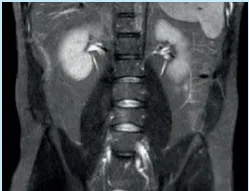
MRI can detect subtle changes within the body’s structures, which is beneficial for early diagnosis. Because magnetic resonance imaging does not involve radiation, it is suitable for examining any part of the body (such as bone and soft tissue structures). The main uses of MRI include examinations of the brain, spinal cord, ligaments, joints, muscles, heart, blood vessels, breasts, abdomen, and pelvis. It holds significant value for cancer diagnosis, tumor monitoring, fatty liver assessment, and cartilage repair.

Magnetic Resonance Imaging (MRI)

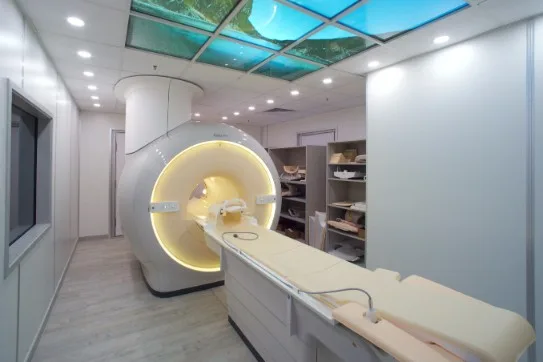
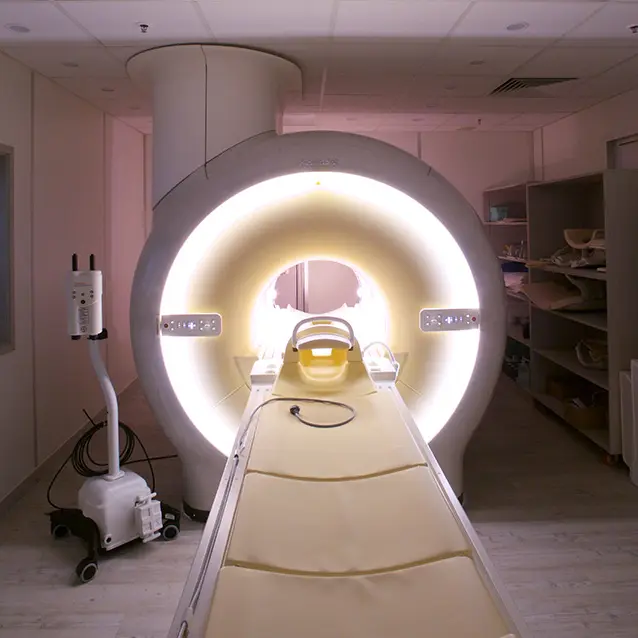
There are only 5 Philips Ingenia MRI machines in Hong Kong. Besides producing ultra clear images, the machine has a 70 cm large bore design ensuring maximum client comfort. Combining MultiVane with dStream technology, scanning time is shortened remarkably. A whole-body MRI scan will typically take around 20-30 minutes.

Advantage of 1.5T MRI
Philips Ingenia

  • A wide bore(70cm) provides a spacious environment which reduces client anxiety.
  • Imaging solutions such as mDIXON and MultiVane, simplify and speed up the check up process by producing high resolution diagnostic images in short scan times. 
  • A significant noise reduction by more than 80% allows for a quiet and comfortable environment.
  • Metal Artifact Reduction technology (MAR) effectively eliminates the metal artifacts within MRI images.
  • Equipped with advanced omaging techniques, such as Whole body DWI & MR angiography.

MRI Examination Process

MRI scans is usually a pleasant and pain-free process for the vast majority. However, clients with anxiety or claustrophobia might experience some discomfort. Please make sure that the technician is notified if you are aware that you have such conditions in advance.

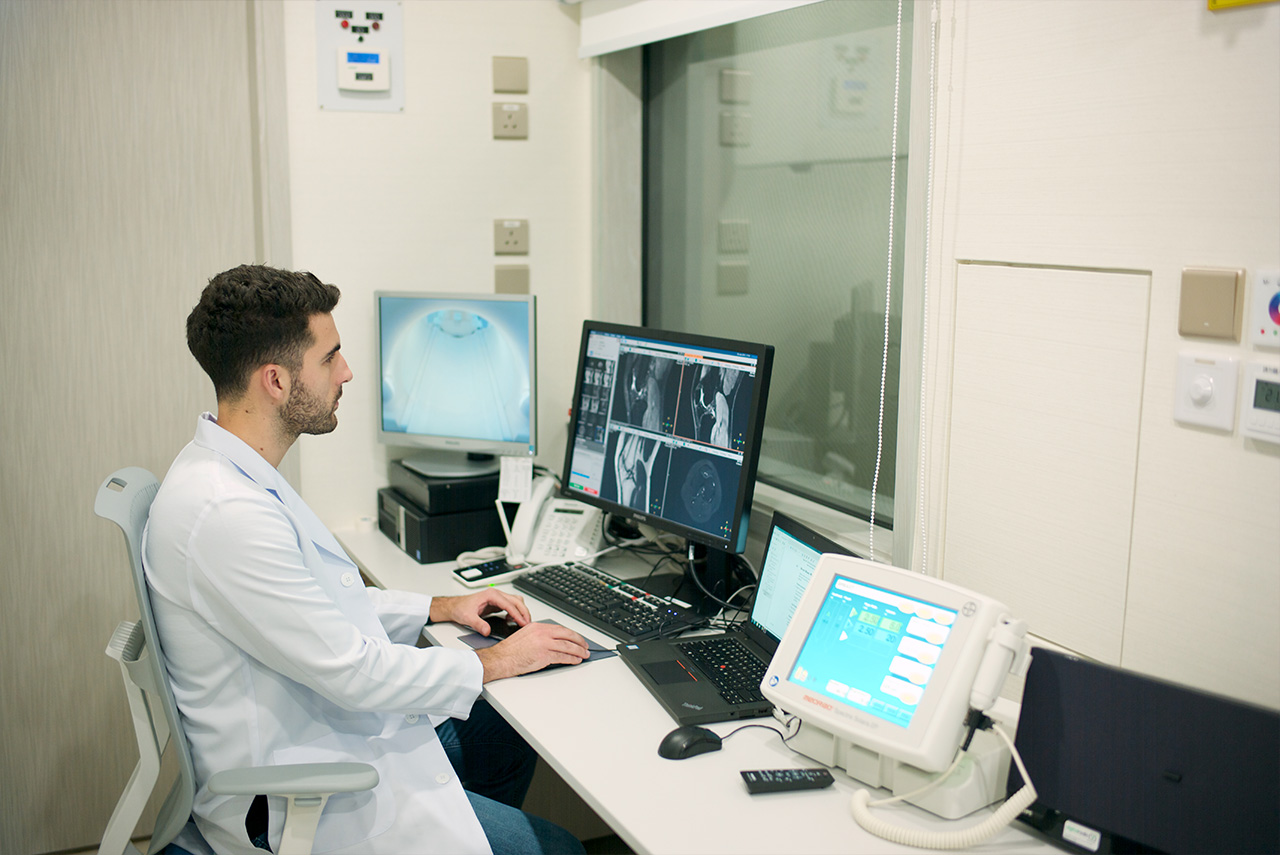
After registering at the reception, you will be asked to change into a gown in a private changing room and remove things that might affect magnetic imaging. Personal belongings can be stored securely in a locker. The mri technician will then brief and discuss relevant questions with you.

The whole procedure will take around 30 minutes, depending on the targetted body parts.

Magnetic Resonance Imaging (MRI)

MRI Examination Process

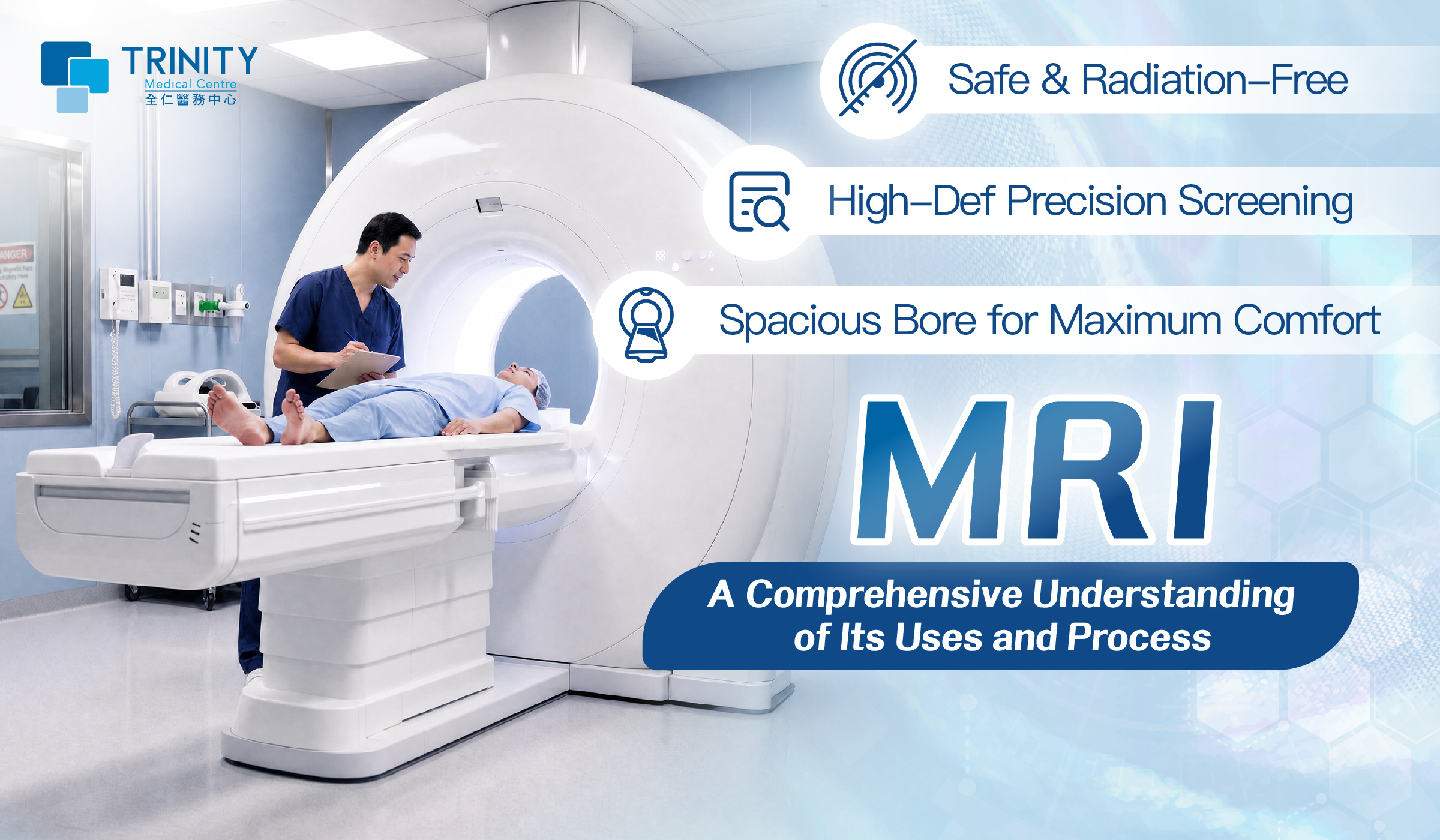
The MRI scanner is a cabin comprising of a large coil of magnet with a moveable table which glides inside the magnet.

The mri technician will require you to lie comfortably on the table. The inner table will slowly glide till you are located in the middle of the ring-shaped scanner. One end of the cabin is usually left opened so most will go through the scan without feeling any discomfort.

You are advised to put on earplugs or headphones provided by us to block out the loud clanging noises produced by the machine.

Several scans may be required and a short break will be given in between. It is crucial to stay still and breathe normally during the whole procedure. Any movement may result in blurry images and the need to repeat once again. The mri technician will monitor and instruct you during the scan. You can use the alarm button in case of any concerns or discomfort during the MRI examination.

MRI Contrast agents

In some cases, we need to view some tissues and blood vessels clearly by using a contrast agent.

The contrast agent is made by gadolinium, which is less likely to produce an allergic reaction compared to the iodine-based materials used for X-rays and CT scan. It is very rare to experience an allergic reaction. Medication can be used to control mild symptoms, while serious reactions are very unlikely.

Nephrogenic systemic fibrosis (NSF), a rare complication, occurs when gadolinium-based contrast agents are provided to patients with severe kidney disease. Therefore, this contrast is prohibited in these cases. Please inform mri technicians if you are suffering from kidney diseases.

Magnetic Resonance Imaging (MRI)

When you are injected with gadolinium in your hand or arm, you may sense a cold feeling in the arm. This feeling usually disappears within a few seconds.

If you have already known that you are allergic to any contrast agents, please tell the mri technician in advance.

Points to note post-screening

In most cases, you will be able to go home on your own after completing the scans. If you have taken sedatives, however, you are not advised to drive, drink alcohol, or sign any formal document within 24 hours. We would advise you to be accompanied by a friend or family in this case.

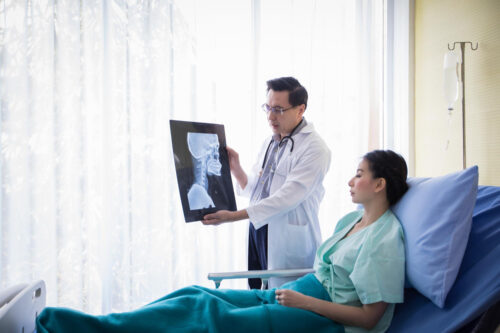
Your mri technician will send the film and written report to you when they are ready.

Patients who may not be suitable for MRI (Magnetic Resonance Imaging) examinations include:

  • Those with a cardiac pacemaker or artificial heart valve
  • Those with brain aneurysm clips or other metal implants
  • Those who have been injured by metal fragments or bullets
  • Those with severe claustrophobia

Limitations of MRI Examination

All-In-One Plan For A Full Body Scan
Top Choice For Comprehensive Health Screening

Bestseller

Magnetic Resonance Imaging (MRI)

Whole-body MRI

Key Screening

  • Tumors and Cancers
  • Neurological Diseases
  • Cerebrovascular Disease
  • Musculoskeletal Diseases
  • Visceral Organ Diseases
  • Vascular and Lymphatic Abnormalities
  • Infections or Inflammations
  • Congenital Diseases or Developmental Abnormalities
  • Stroke Risk
  • Coronary Artery Disease (Heart Disease)
  • Acute Coronary Syndrome Integrated Assessment
  • Myocardial disease
  • Cardiac Structural Abnormalities
  • Lung Cancer
  • Benign Lung Lesions
Advanced
Magnetic Resonance Imaging (MRI)

Whole-body MRI
Cardiac CT Angiography (CTCA)
Low-dose Lung CT (LDCT)

Key Screening

  • Tumors and Cancers
  • Neurological Diseases
  • Cerebrovascular Disease
  • Musculoskeletal Diseases
  • Visceral Organ Diseases
  • Vascular and Lymphatic Abnormalities
  • Infections or Inflammations
  • Congenital Diseases or Developmental Abnormalities
  • Stroke Risk
  • Coronary Artery Disease (Heart Disease)
  • Acute Coronary Syndrome Integrated Assessment
  • Myocardial disease
  • Cardiac Structural Abnormalities
  • Lung Cancer
  • Benign Lung Lesions
Premium
Magnetic Resonance Imaging (MRI)

Whole-body MRI
MRI Stroke Screening

Key Screening

  • Tumors and Cancers
  • Neurological Diseases
  • Cerebrovascular Disease
  • Musculoskeletal Diseases
  • Visceral Organ Diseases
  • Vascular and Lymphatic Abnormalities
  • Infections or Inflammations
  • Congenital Diseases or Developmental Abnormalities
  • Stroke Risk
  • Coronary Artery Disease (Heart Disease)
  • Acute Coronary Syndrome Integrated Assessment
  • Myocardial disease
  • Cardiac Structural Abnormalities
  • Lung Cancer
  • Benign Lung Lesions
Comprehensive
Magnetic Resonance Imaging (MRI)

Whole-body MRI
MRI Stroke Screening
Cardiac CT Angiography (CTCA)
Low-dose Lung CT (LDCT)

Key Screening

  • Tumors and Cancers
  • Neurological Diseases
  • Cerebrovascular Disease
  • Musculoskeletal Diseases
  • Visceral Organ Diseases
  • Vascular and Lymphatic Abnormalities
  • Infections or Inflammations
  • Congenital Diseases or Developmental Abnormalities
  • Stroke Risk
  • Coronary Artery Disease (Heart Disease)
  • Acute Coronary Syndrome Integrated Assessment
  • Myocardial disease
  • Cardiac Structural Abnormalities
  • Lung Cancer
  • Benign Lung Lesions

How to Book Your Health Check

  1. Book Online

    After successfully purchasing a health check plan, you will receive a confirmation email.

  2. 1:1 Appointment Service

    Trinity Health Consultant will contact you to personalize your booking.

  3. 1 Day Check-up

    All examination procedures, including body scans, will be completed within the same day.

  4. Doctor Consultation

    A detailed report explanation will be arranged with a doctor, offering personalized insights into your health data.

FAQ

How does magnetic resonance imaging (MRI) work?

MRI uses strong magnetic fields and radio waves to produce detailed images of the internal structures of the body. It primarily works by exciting the hydrogen atoms in the abundant water molecules in the body and then capturing the signals emitted by these atoms to create images.

How long does an MRI scan take?

An MRI examination typically takes between 30 minutes to 2 hours, depending on the body part being scanned and the level of detail required in the images.

What are the main applications of MRI?

MRI is widely used for diagnosing brain and nervous system diseases, cardiovascular examinations, and tumor diagnosis and staging. It provides high-resolution images of soft tissues, which is very helpful for the early diagnosis of various diseases.

What preparations are needed before an MRI scan?

Before an MRI examination, patients may need to fast for 4 hours (if it is an abdominal scan), avoid using eye makeup and hair gel, and inform the doctor about any metal implants or pregnancy. Patients will be asked to remove all metal objects during the examination.

What safety considerations should be taken into account for MRI scans?

MRI scans are generally very safe, but certain individuals may not be suitable for the procedure, such as patients with cardiac pacemakers or certain metal implants. The process can be noisy, and earplugs will be provided for hearing protection. If a contrast agent is used, very few patients may experience mild reactions. Unlike X-rays and CT scans, MRI does not produce radiation.
Hide
Select a method
WhatsApp We are here to serve you

You can chat with us in real-time here to inquire about health and disease information and book services. Please enter your name and accept our Terms of Service and Privacy Policy to begin.

24/7 On Call